
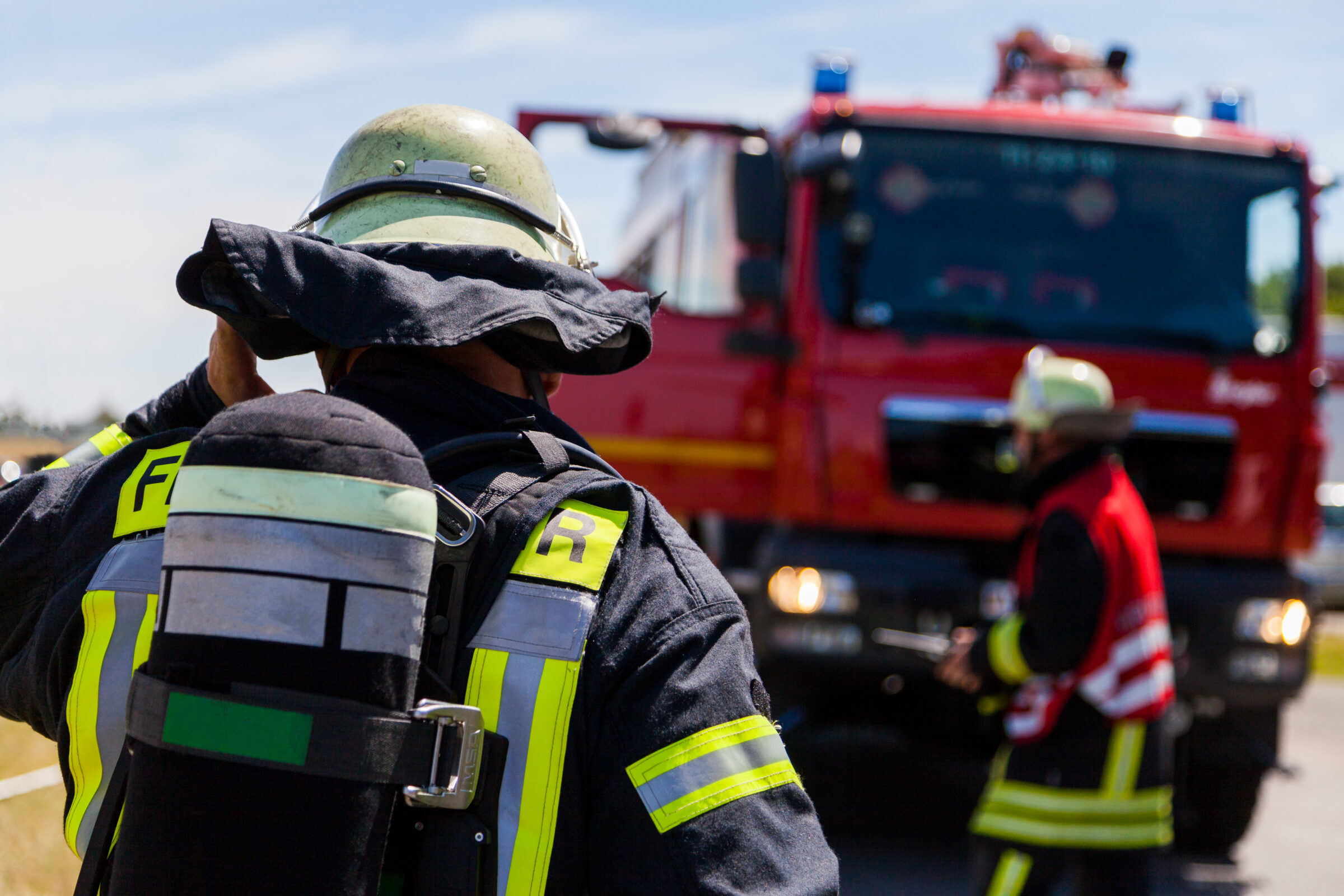
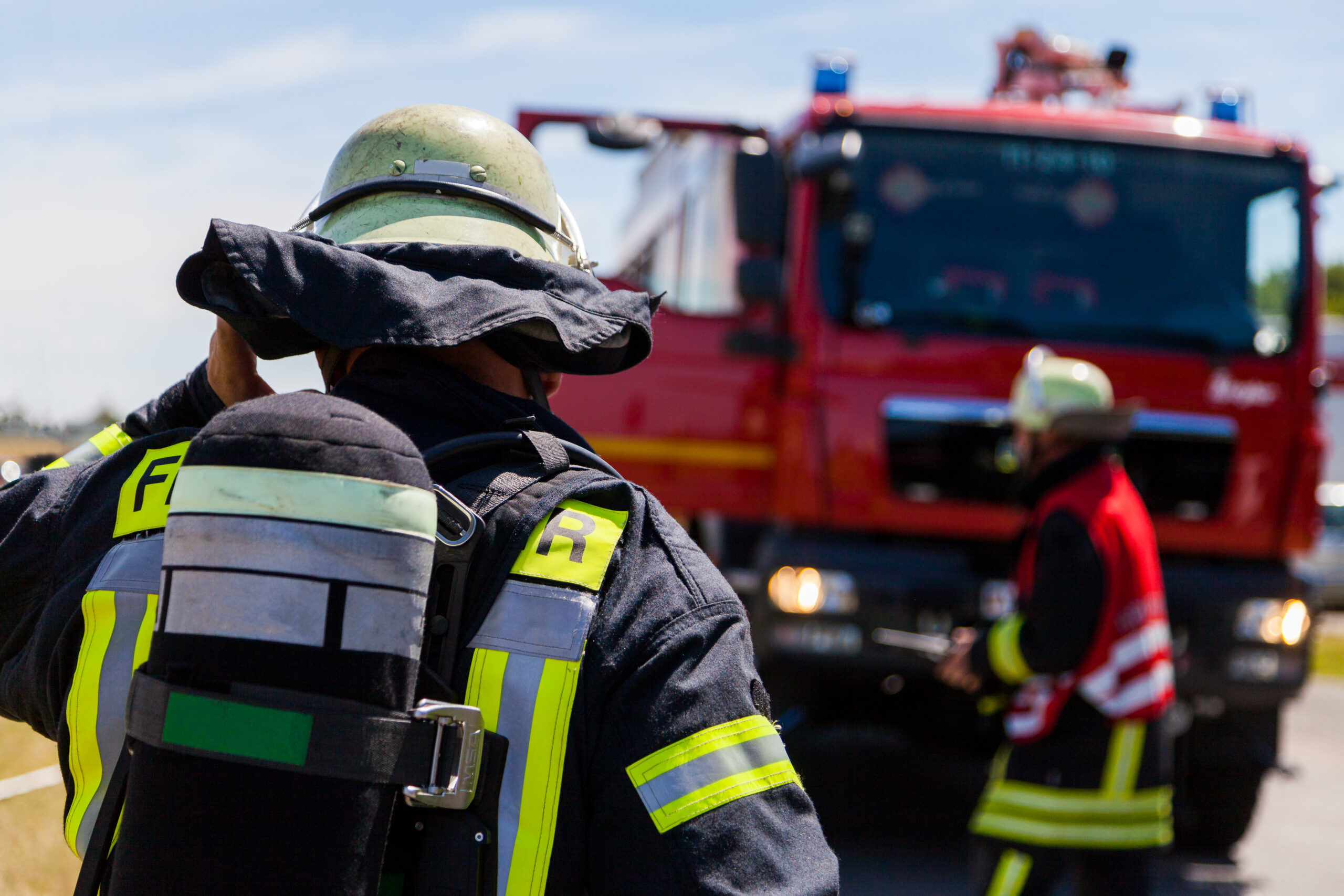
Within many different professions, there are employees that struggle with a variety of mental health issues that are caused by work-related stress. However, first responders, such as police officers, paramedics and firefighters, are known to experience increased emotional instability compared to other occupations due to the trauma they witness in their everyday lives.
Identify Trauma
On a daily basis, first responders are put into difficult life or death situations that can sometimes lead to negative or unfavourable outcomes. Providing social support and a sense of belonging to these individuals is imperative to aid in coping with Post Traumatic Stress Disorder (PTSD). Since many first responders are not always willing to open up about their previous experiences, it is important to identify some of the warning signs of trauma:
- Exposure to incidents that involves severe injuries or death
- Isolation from the public and peers
- Reluctance to reach out for support
- Possessing a sense of guilt
- Substance abuse
- Suicidal behaviour
Alleviate Stress
It is the responsibility of employers to provide the necessary resources and services to the first responder community and to ensure that their employees feel comfortable reaching out for help. However, it is just as important that these individuals are supported by members of the public since they are not just workers, but also highly-valued members of our community.
First responders are constantly putting their lives at risk in order to protect members of the community who are usually complete strangers to them. The least we can do is provide them with the necessary tools needed to cope with any mental health issues they may be experiencing. Many first responders who have dealt with PTSD have been able to reap the benefits of Cognitive Behavioural Therapy (CBT).
CBT has been an effective resource used by first responders who suffer from PTSD since it provides a number of benefits:
- Mental exercises that help battle emotional health issues and substance abuse
- Sessions are goal-oriented and focus on personal growth
- Education on various coping mechanisms
- Short term treatment method with long-term results
Reach Out
The most effective way of offering support to first responders is by letting them know that we genuinely care and would like to help. Most of the time, first responders are so preoccupied with helping others that they forget to help themselves with their own personal struggles. In some cases, these individuals may hesitate to speak up due to the fear of jeopardizing their careers or appearing weak in the eyes of their colleagues.
Even though everybody suffers from their own personal struggles, we all belong to a greater community that thrives on the support of one another. By promoting a sense of belonging not only in the workplace, but also in our personal lives, we can make great strides towards minimizing the feelings of emptiness and solitude. As people become more proactive when it comes to identifying PTSD and other mental health issues that burden the heroic first responders, it will allow for community members to experience an overall improvement in the healthy relationships we form with one another.
For more information on supporting our first responders, chat with our iHealthOX Care Team to get started.
Sources:
https://www.ncbi.nlm.nih.gov/pmc/articles/PMC6163099/
https://www.suicideinfo.ca/resource/first-responders-trauma-intervention-suicide-prevention/
https://www.firstrespondersfirst.com/post/the-benefits-of-cbt-for-first-responders
https://www.firstrespondersfirst.com/post/how-cbt-can-help-in-treating-trauma-in-first-responders
Recent Posts