
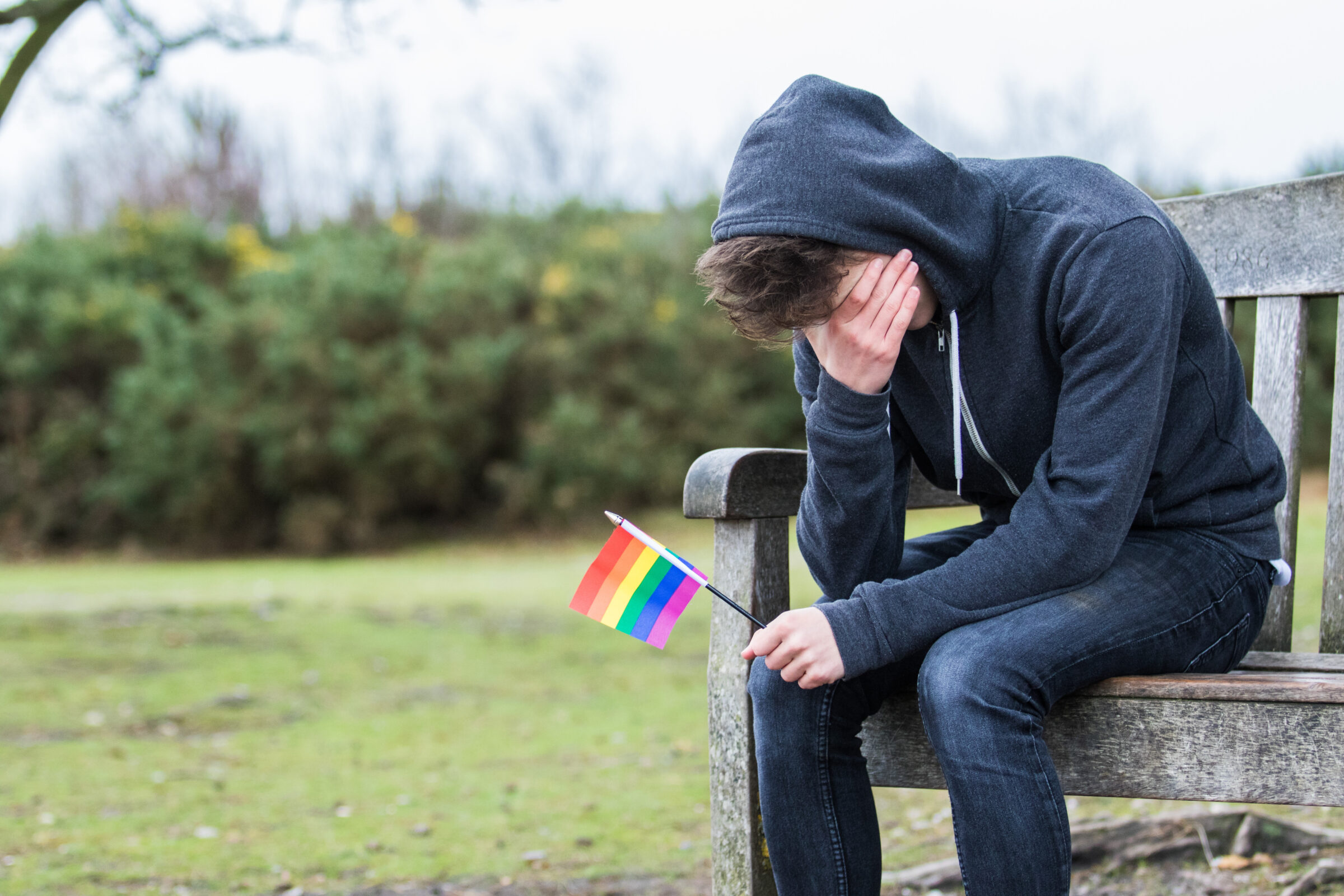
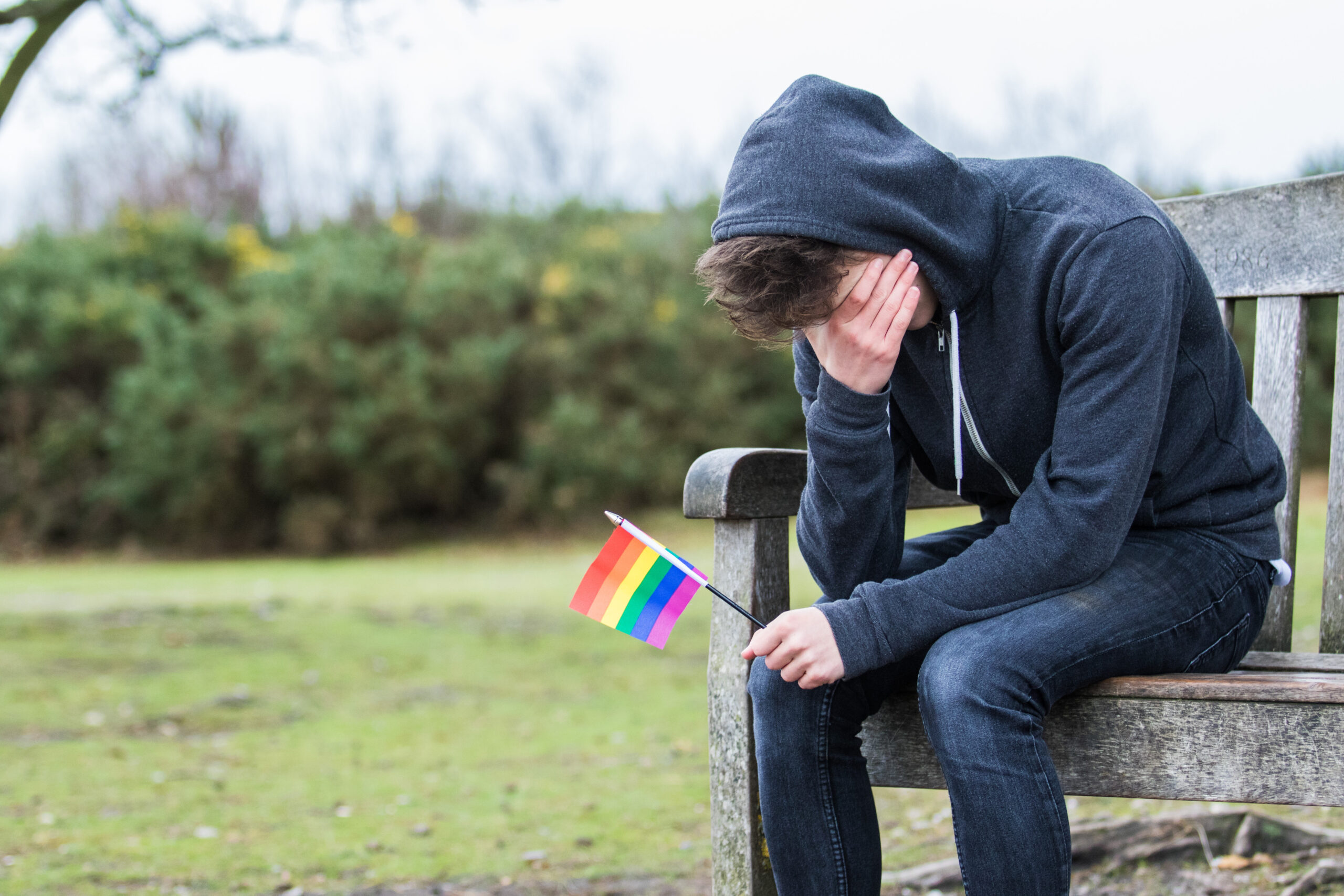
Prioritizing the mental and emotional well-being of others can be challenging at times, especially since everybody has their own internal battles to deal with. However, valuing mental health is an essential step toward building a more accepting and inclusive society. Unfortunately, even though everybody struggles with mental health issues from time to time, there is still a stigma surrounding mental illness that often prevents individuals from reaching out for help.
Just like everybody else, members of the LGBTQ2S+ community face mental health issues regularly. However, due to the discrimination and prejudices that exist against their community, LGBTQ2S+ individuals face additional barriers that contribute to the deterioration of their mental health. Due to past trauma endured by these individuals, many of them refuse any type of care for the fear of being ridiculed or shamed.
Feeling Isolated
Many LGBTQ2S+ members are very strong-minded individuals who are capable of great things and thrive in the face of adversity when they are surrounded by loved ones who support them. Unfortunately, not everyone has access to a stable support system and as a result, many of these individuals suffer from depression and anxiety due to feelings of isolation.
There are many negative stereotypes regarding the LGBTQ2S+ community that often stem from prejudiced, homophobic, and ignorant teachings from the past. Many individuals suffer from mental health conditions because if they do decide to openly express themselves, they run the risk of being rejected by the people that mean the most to them – their family and friends. Some other factors that may cause mental health issues for LGBTQ2S+ individuals include:
Trauma
Experiencing discrimination
Fear of coming out
Substance abuse
Denial of opportunities
Mental, verbal & physical abuse
Becoming an Ally
While it is impossible to alleviate mental health issues as a whole, it is important that we all support one another and provide each other with the necessary resources to combat the negative effects that these conditions can have on us. Nobody deserves to suffer in silence. It is the responsibility of everyone to create an environment within their community that promotes inclusivity and belongingness.
Furthermore, it is essential that we are constantly promoting the idea of open communication and speaking up when something is on our minds. For individuals that are unfamiliar with the LGBTQ2S+ community, it can be difficult to spark up conversations involving unfamiliar terminology, but it is important to make an effort. Being curious and asking questions (without being invasive) is an effective way to learn more about LGBTQ2S+ terminology and preferred pronouns. Showing an interest in how others choose to express themselves can go a long way toward instilling an increased sense of belonging in your community.
Identifying Mental Health Conditions
Unfortunately, making your best effort to become an LGBTQ2S+ ally isn’t always enough. Past trauma and discrimination can often leave emotional scars that simply cannot be shaken off. Regardless of how much support you may provide someone, they may still be unwilling to open up about what is going on inside their head. That is why it is important to understand some of the common warning signs that indicate an individual may be suffering from a mental illness:
Dramatic mood swings
Social withdrawal or a lack of interest in activities previously enjoyed
Loss of initiative
Increased sensitivity
Uncharacteristic behaviour
Suicidal behaviours
If you start to notice any of these behavioural signs emerging in someone you are close to, it is important that you provide them with the necessary resources to get help. For LGBTQ2S+ individuals that are suffering from mental health issues, there are plenty of local support organizations that are willing to help.
Mental health is not something to be taken lightly. Members of the LGBTQ2S+ community are at a greater risk of suffering from these conditions due to social prejudices and discrimination. As a society, we must all come together to create an inclusive and accepting setting where individuals are not ridiculed but encouraged to discuss their mental wellbeing on a regular basis.
For more information on how we can help, chat with our iHealthOX Care Team to get started.
Sources:
https://www.healthpartners.com/blog/mental-health-in-the-lgbtq-community/
https://namica.org/lgbtqi/
https://www.medicalnewstoday.com/articles/lgbt-youth-and-mental-health#stress
https://psychiatry.org/patients-families/warning-signs-of-mental-illness
Recent Posts